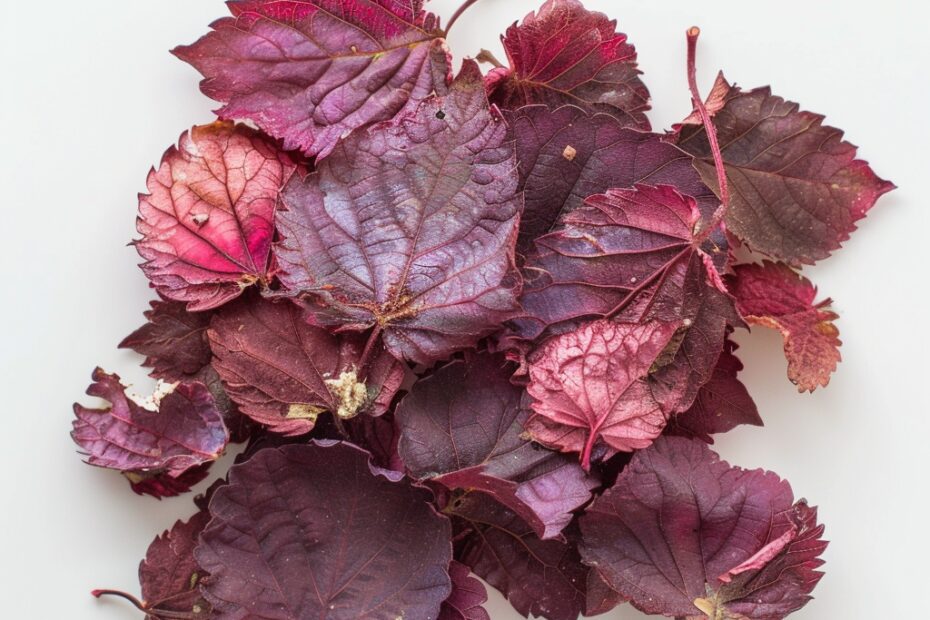
What Science Supports, What to Use Carefully, and What to Avoid
Executive summary
Pregnancy tea should be treated as a low-dose food-style infusion, not as a medical treatment, labor inducer, or substitute for antenatal care. The strongest evidence-supported herb for pregnancy-related symptoms is ginger, mainly for mild to moderate nausea and vomiting in early pregnancy; several systematic reviews and clinical summaries find ginger improves nausea more consistently than vomiting, while safety data are most reassuring for first-trimester use at modest oral doses (Nutrition Journal systematic review, Frontiers in Public Health, AAFP, NCCIH). Peppermint, especially as leaf tea rather than essential oil, is often classified as pregnancy-safe in herbal safety reviews, but pregnancy-specific clinical data for peppermint tea are much weaker than for ginger (Safety classification study, NCCIH peppermint oil). Raspberry leaf has traditional use late in pregnancy, but modern evidence is limited, mixed, and insufficient for a strong benefit claim; a 2024 prospective observational study found possible association with reduced labor augmentation, but it was underpowered and not randomized (Raspberry leaf study).
The most defensible “pregnancy tea” approach is therefore a short list of mild, familiar, single-herb or simple-blend infusions, used occasionally and discussed with a midwife, obstetrician, or qualified maternity clinician. MotherToBaby emphasizes that most herbal products have not been well studied in pregnancy, that multi-ingredient products are difficult to evaluate, and that quality problems, drug interactions, hormone effects, and uterine contraction effects are real concerns (MotherToBaby). A multinational safety classification of 126 herbs used in pregnancy classified only 28 herbs as “safe,” 60 as “caution,” 27 as “contraindicated,” and 11 as “unknown,” showing that the evidence base is far from complete (Safety classification study).
For a practical formulation, the most evidence-aligned pregnancy tea base would prioritize ginger for early nausea when appropriate, peppermint or spearmint for taste and digestive comfort, rooibos as a caffeine-free non-stimulant base, rosehip or lemon peel for flavor and vitamin-C-associated nutrition rather than treatment, and possibly lemon balm or chamomile only as occasional mild calming ingredients where there is no allergy or medication concern. Raspberry leaf and nettle should be treated as conditional, clinician-guided herbs, particularly because they are classified as “caution” rather than “safe” in pregnancy safety reviews (Safety classification study). Licorice root, blue cohosh, black cohosh, dong quai, goldenseal, ephedra, yohimbe, passionflower, medicinal-dose rosemary or sage, and likely hibiscus or fennel should not be included in a routine pregnancy tea blend because of uterine-stimulant, hormonal, blood-pressure, fetal, or insufficient-safety concerns (NCCIH licorice, Blue cohosh review, American Pregnancy Association).
Evidence standards and safety assumptions
This report uses the phrase “good to use” conservatively. In pregnancy, an herb can be considered a reasonable tea candidate only when its likely benefit is plausible, its traditional use is not contradicted by known pregnancy risks, and human or authoritative safety sources do not identify clear contraindications. That is a lower bar than drug approval but a higher bar than general wellness marketing. Herbal teas are usually weaker than capsules, tinctures, essential oils, and extracts, but the same plant can have different safety profiles depending on dose, preparation, part used, and frequency of use. MotherToBaby notes that herbs used in food preparation in moderation are not expected to be a concern, while herbal supplements and multi-ingredient products can be hard to study and may interact with medications or contain undisclosed contaminants (MotherToBaby).
The key methodological problem is that “pregnancy tea” is not one standardized product. A cup of dried peppermint leaf infusion, a concentrated raspberry leaf tablet, a tincture, and an essential oil are not equivalent exposures. NCCIH’s peppermint page, for example, is mainly about peppermint oil and enteric-coated capsules rather than peppermint leaf tea, so its evidence is useful for mechanism and adverse effects but cannot be directly transferred to a mild infusion (NCCIH peppermint oil). This distinction matters because concentrated oils and extracts may contain higher levels of active constituents than tea and may carry different risks.
Pregnancy stage also matters. First-trimester goals often focus on nausea, hydration, and avoiding fetal developmental risk, while third-trimester use may raise questions about uterine tone, labor timing, bleeding, or medication interactions. AAFP summarizes ginger as acceptable in the first trimester for mild to moderate nausea and vomiting at 1,000 to 1,500 mg daily for short periods, while also noting concerns reported with later-pregnancy use, including vaginal bleeding and other associations (AAFP). For that reason, a tea blend meant for all pregnancy stages should avoid herbs promoted to “bring on labor” or strongly affect hormones, menstruation, uterine contractions, blood pressure, or clotting.
Summary table: best candidates for a pregnancy tea
| Herb | Main reason it may be useful | Evidence strength | Pregnancy safety position | Practical use in tea |
|---|---|---|---|---|
| Ginger (Zingiber officinale) | Nausea relief, especially early pregnancy nausea | Strongest among herbs | Classified “safe” in a pregnancy safety review; use best supported in first trimester and modest doses (Safety classification study, AAFP) | Small amount of dried or fresh ginger; avoid high-dose extracts unless clinician-approved |
| Peppermint (Mentha x piperita) | Digestive comfort, taste, cooling sensation | Moderate for general digestion, weak for pregnancy tea specifically | Classified “safe” in a pregnancy safety review; oil evidence should not be treated as tea evidence (Safety classification study, NCCIH peppermint oil) | Mild leaf infusion, especially blended with ginger or rooibos |
| Spearmint (Mentha spicata) | Mild mint flavor, digestive comfort | Limited pregnancy-specific data | Less directly studied than peppermint; use food-level amounts only | Mild flavoring herb rather than medicinal ingredient |
| Rooibos (Aspalathus linearis) | Caffeine-free base, polyphenol-rich beverage | Limited pregnancy-specific clinical evidence | No strong pregnancy trial evidence found; generally used as a caffeine-free beverage | Useful base tea, but not a treatment |
| Rosehip (Rosa canina) | Vitamin C-associated nutrition and tart flavor | Nutritional evidence, weak pregnancy-specific evidence | Classified “caution” in pregnancy safety classification due to limited pregnancy data (Safety classification study) | Occasional flavoring; avoid megadose vitamin C framing |
| Lemon peel or lemon aroma (Citrus limon) | Flavor, nausea-associated aroma plausibility | Some aromatherapy RCT evidence; tea evidence indirect | Food-level citrus use is generally ordinary dietary exposure; essential oil is not the same as tea | Lemon peel/slice as flavor rather than medicinal dose |
| Lemon balm (Melissa officinalis) | Calming taste, sleep/anxiety tradition | Toxicology evidence exists, pregnancy-specific evidence limited | Aqueous extract toxicology is reassuring generally, but reproductive/pregnancy data are limited (Food and Chemical Toxicology) | Occasional mild blend, especially evening tea, if clinician agrees |
| Chamomile (Matricaria recutita or related species) | Relaxation and sleep tradition | Mixed and insufficient for pregnancy recommendations | Tea amounts often considered likely safe generally, but peripartum review says recommendations cannot be made; allergy and case-report concerns exist (Chamomile review, NCCIH) | Occasional weak tea only; avoid if ragweed allergy, anticoagulants, or high intake |
| Raspberry leaf (Rubus idaeus) | Traditional late-pregnancy uterine support | Limited; one RCT historically and newer underpowered observational study | Classified “caution”; not enough evidence for routine promotion (Safety classification study, Raspberry leaf study) | Consider only late pregnancy with maternity clinician guidance |
| Nettle leaf (Urtica dioica) | Mineral-rich traditional pregnancy tea ingredient | Weak pregnancy-specific evidence | Classified “caution” in pregnancy safety classification (Safety classification study) | Avoid routine unsupervised use; do not use root preparations |
Herb-by-herb scientific review
Ginger
Ginger is the most scientifically defensible pregnancy-tea herb when the goal is relief of mild to moderate nausea and vomiting of pregnancy. A 2014 systematic review and meta-analysis evaluated orally administered ginger for pregnancy-associated nausea and vomiting and concluded that ginger improved nausea more clearly than vomiting, with the common dose range in trials around 1,000 to 1,500 mg daily (Nutrition Journal systematic review). A later systematic review and meta-analysis of complementary and alternative medicine for nausea and vomiting in pregnancy found ginger superior to placebo for visual analog nausea scores and effective-rate outcomes, although some evidence was rated low or very low quality and vomiting outcomes were less consistent (Frontiers in Public Health).
Clinical summaries align with that conclusion. AAFP states that ginger at 1,000 to 1,500 mg per day is safe and effective for mild to moderate nausea and vomiting of pregnancy in the first trimester, with evidence from randomized trials showing reduction in nausea but not always vomiting episodes (AAFP). NCCIH similarly states that research shows ginger may be helpful for nausea and vomiting associated with pregnancy, while advising pregnant people to consult a healthcare provider before using ginger supplements (NCCIH).
For tea, ginger’s advantage is that a mild infusion can provide flavor, warmth, and some gingerols and shogaols without the concentrated exposure of capsules or extracts. Its main cautions are heartburn, mouth or throat irritation, diarrhea, abdominal discomfort, and possible medication interactions; NCCIH lists these oral side effects and advises discussing ginger use with a clinician if medications are involved (NCCIH). In practice, ginger belongs in an early-pregnancy nausea tea as a small-dose ingredient, not as a high-dose daily extract throughout pregnancy.
Peppermint
Peppermint is a reasonable pregnancy-tea candidate primarily for flavor and digestive comfort, but its pregnancy-specific evidence is far weaker than ginger’s. The multinational pregnancy safety classification study listed peppermint as “safe” and noted it among frequently used safe herbs, which supports cautious use as a leaf infusion rather than a concentrated oil (Safety classification study). Peppermint is commonly promoted for indigestion, nausea, and irritable bowel symptoms, but much of the stronger evidence involves peppermint oil capsules, not tea (NCCIH peppermint oil).
Pregnancy nausea trials involving peppermint have mostly studied aromatherapy rather than drinking peppermint tea. A randomized placebo-controlled trial of peppermint oil inhalation in pregnant women with mild to moderate nausea and vomiting found that peppermint aromatherapy and placebo had similar effects, meaning the study does not prove peppermint oil is an effective NVP treatment (Peppermint aromatherapy trial). This makes peppermint useful as a pleasant, caffeine-free, stomach-settling flavor rather than an evidence-proven antiemetic.
Peppermint may worsen reflux in some people, especially when used as oil, and reflux is already common in pregnancy. NCCIH notes that peppermint oil can cause mild adverse effects such as acid reflux and indigestion in IBS studies, and the page’s evidence is mainly about oil rather than tea (NCCIH peppermint oil). A practical tea blend can therefore include peppermint leaf in modest amounts, especially if the pregnant person finds it soothing, but it should be reduced or removed if it aggravates heartburn.
Spearmint
Spearmint is best understood as a gentle culinary mint rather than a proven pregnancy medicine. It shares a familiar mint flavor profile with peppermint but is usually milder and less menthol-dominant. Direct pregnancy-tea trials were not identified in the reviewed searches, and spearmint was not highlighted in the safety classification extraction in the same way peppermint was (Safety classification study).
The reason spearmint can still be considered for pregnancy tea is practical rather than strongly therapeutic. It can make hydration easier, improve palatability, and provide a caffeine-free flavor that may be better tolerated than strong ginger. Because the evidence base is thin, spearmint should be used at normal tea or food flavoring levels, not as a concentrated extract or hormone-targeting supplement.
Rooibos
Rooibos is not technically an herb in the same medicinal sense as ginger or raspberry leaf, but it is one of the most useful bases for pregnancy tea because it is naturally caffeine-free and works well as a carrier for small amounts of other herbs. The literature found during this review did not provide strong pregnancy-specific clinical outcome trials for rooibos, so it should not be marketed as a pregnancy treatment. Its value is as a low-stimulation beverage base that helps reduce reliance on black or green tea when caffeine intake is being limited.
This matters because caffeine management is a routine pregnancy consideration. Search results identified obstetric guidance consistent with limiting caffeine to less than about 200 mg per day in pregnancy, and herbal teas are often chosen because they are naturally caffeine-free (UNM Health citing ACOG, American Pregnancy herbal tea page). Rooibos therefore earns its place by being a practical base, not because it has proven pregnancy-specific medicinal benefits.
Rosehip
Rosehip is often included in pregnancy teas for its tart flavor and association with vitamin C and polyphenols. Plant science literature describes rosehip as rich in vitamin C and antioxidant-related compounds, although that nutritional chemistry does not automatically prove pregnancy outcome benefits (BMC Plant Biology rosehip study). In a tea blend, rosehip is most defensible as a flavor and nutrition-associated ingredient rather than a treatment for anemia, immunity, or fetal development.
The safety position is cautious. The pregnancy safety classification study placed dog-rose or rosehip in the “caution” category, reflecting limited pregnancy-specific safety evidence rather than a proven danger (Safety classification study). That means occasional weak rosehip tea is different from high-dose rosehip supplements or strong daily decoctions. Rosehip also contains natural acids and may bother reflux-prone pregnant people, so it is best used in small amounts for flavor.
Lemon peel, lemon slice, and lemon aroma
Lemon is a useful pregnancy-tea ingredient because it improves taste, supports hydration, and may help some people tolerate nausea-triggering smells. Randomized trials have studied lemon inhalation aromatherapy for nausea and vomiting of pregnancy, including a double-blinded randomized controlled clinical trial of lemon inhalation aromatherapy (Iranian Red Crescent Medical Journal trial record). Another trial studied combined lemon and peppermint inhalation aromatherapy for pregnancy nausea and vomiting, but this evidence concerns inhaled aroma, not tea ingestion (Iranian Journal of Nursing and Midwifery Research).
For tea formulation, lemon peel or lemon slice is best used as food-level flavoring. It should not be confused with lemon essential oil taken internally, which is a different and more concentrated exposure. The scientific rationale is therefore modest: lemon makes a tea more palatable, may support hydration, and may provide aroma that some pregnant people find nausea-reducing.
Lemon balm
Lemon balm has a long tradition as a calming tea, and its flavor works well in evening pregnancy blends. A 2024 toxicological safety evaluation of an aqueous lemon balm extract reported generally reassuring toxicology findings for the tested extract, including genotoxicity assessment and repeated-dose safety evaluation, but it did not provide direct pregnancy-specific reproductive safety evidence (Food and Chemical Toxicology). That means lemon balm is a plausible mild tea herb, but it is not proven safe for all pregnant people in all doses.
Its best use is occasional, weak infusion for taste and relaxation rather than daily therapeutic dosing for anxiety, insomnia, thyroid issues, or mood disorders. Because lemon balm may be discussed in relation to calming and thyroid-related physiology in herbal practice, pregnant people with thyroid disease, sedative medication use, or complex medical histories should ask their clinician before using it regularly. The evidence supports cautious inclusion, not aggressive promotion.
Chamomile
Chamomile is one of the most popular calming tea herbs, but pregnancy evidence is more complicated than its reputation suggests. NCCIH states that chamomile is likely safe when used orally in amounts commonly found in teas and foods, while also noting uncommon allergic reactions, including severe hypersensitivity and anaphylaxis in susceptible people (NCCIH chamomile). Chamomile allergy risk is especially relevant for people sensitive to ragweed or related plants.
A 2025 systematic review of chamomile products among peripartum and postpartum women included 23 studies with 8,343 women, but it concluded that clinical practice recommendations could not be made because of heterogeneity, bias concerns, and limited safety evidence (Chamomile review). The same review noted safety themes including preterm labor or delivery, miscarriage risk, birth weight, and birth length, but the available evidence was not strong enough to provide confident recommendations (Chamomile review).
Chamomile therefore belongs in a pregnancy tea only as an occasional weak infusion if there is no allergy risk and no medication interaction concern. It should not be used as a strong daily sedative tea, labor inducer, or medicinal-dose extract. Roman chamomile in medicinal oral amounts is listed among herbs to avoid during pregnancy by the American Pregnancy Association, so product labeling and plant species matter (American Pregnancy Association).
Raspberry leaf
Raspberry leaf is the classic “pregnancy tea” herb, but its evidence is not strong enough for broad claims that it shortens labor, prevents complications, or safely tones the uterus for everyone. The pregnancy safety classification study placed raspberry leaf in the “caution” category and noted limited evidence, including one randomized trial and observational evidence that did not establish clear benefit (Safety classification study). The commonly cited historical trial evaluated raspberry leaf in pregnancy, but the overall body of evidence remains small (Wiley trial record).
A 2024 prospective observational study in Australia enrolled 91 completed records, with 44 exposed to raspberry leaf and 47 unexposed; most exposed participants used tea, starting on average at 36 weeks, with a mean of two cups per day (Raspberry leaf study). The study suggested a possible reduction in labor augmentation, but it was dramatically underpowered compared with the planned sample size of 756 and was not randomized, so confounding and selection bias cannot be ruled out (Raspberry leaf study).
The safest interpretation is that raspberry leaf may be considered only in late pregnancy after discussion with a maternity clinician, particularly for people without pregnancy complications, bleeding risk, hypertension, preterm labor history, planned cesarean, or uterine-surgery concerns. It should not be used in early pregnancy or as a DIY induction herb.
Nettle leaf
Nettle leaf is traditionally used in pregnancy teas because it is mineral-rich and has a reputation as a nutritive herb. The evidence problem is that traditional nutritional use does not equal pregnancy safety proof. The pregnancy safety classification study placed nettle in the “caution” category, reflecting limited human evidence or the need for qualified supervision (Safety classification study).
If nettle is considered at all, the leaf and the root must be distinguished. Nettle root is used for different indications, such as urinary symptoms in benign prostatic hyperplasia, and should not be treated as interchangeable with leaf tea. Because nettle may have diuretic, blood-pressure, glucose, or clotting-related considerations in herbal references, routine unsupervised daily nettle pregnancy tea is not advisable. It is better treated as a clinician-guided ingredient than a default base herb.
Herbs that should generally be avoided in pregnancy teas
Licorice root should not be used as a routine pregnancy-tea sweetener. NCCIH states that consuming oral licorice extract in large amounts during pregnancy is unsafe and can increase the risk of delivery before 38 weeks, and licorice’s glycyrrhizin can cause serious adverse effects, especially with high intake or susceptible health conditions (NCCIH licorice). A Finnish longitudinal cohort study associated high maternal glycyrrhizin exposure with later pubertal, cognitive, and psychiatric outcomes in children, which strengthens the case for avoiding licorice root in pregnancy blends (American Journal of Epidemiology).
Blue cohosh and black cohosh should not be included in pregnancy teas. A review of blue cohosh reported in vitro teratogenic, embryotoxic, and oxytoxic concerns and described case reports involving perinatal stroke, acute myocardial infarction, profound congestive heart failure and shock, severe multi-organ hypoxic injury, and abortifacient properties (Blue cohosh review). The pregnancy safety classification study listed both blue cohosh and black cohosh as contraindicated, largely because many contraindicated herbs have emmenagogue or uterine-stimulant properties (Safety classification study).
Dong quai, goldenseal, ephedra, yohimbe, passionflower, saw palmetto, and medicinal-dose Roman chamomile are also poor pregnancy-tea ingredients. The American Pregnancy Association lists dong quai for uterine stimulant and relaxant effects, goldenseal because it may cross the placenta, saw palmetto for hormonal activity, and ephedra, yohimbe, passionflower, black cohosh, blue cohosh, and medicinal-dose Roman chamomile among herbs to avoid during pregnancy (American Pregnancy Association).
Hibiscus and fennel are not ideal routine pregnancy-tea ingredients despite being common herbal teas. The evidence base found in this review was not strong enough to prove safe pregnancy use, and many consumer-facing medical summaries advise avoiding hibiscus because of limited human pregnancy data and concerns raised from animal or traditional emmenagogue use (Healthline hibiscus summary). Fennel has estrogenic constituents and appears in safety discussions as possibly unsafe or unsuitable for regular pregnancy use; because better options exist, fennel should not be a default pregnancy blend ingredient (WebMD fennel monograph).
Rosemary and sage are acceptable as culinary seasonings but should not be used as medicinal-dose pregnancy teas. The American Pregnancy Association distinguishes rosemary food amounts from medicinal amounts and warns that medicinal oral rosemary may have uterine and menstrual-flow stimulant effects (American Pregnancy Association). This principle should be applied broadly: a herb sprinkled into food is not the same as a strong daily medicinal infusion.
Suggested evidence-aligned pregnancy tea concepts
Nausea-support tea for early pregnancy
A reasonable nausea-support tea can use rooibos as the base, ginger as the active herb, and peppermint or lemon for palatability. The scientific rationale is strongest for ginger, which has randomized-trial and meta-analysis support for reducing nausea in pregnancy, while peppermint and lemon mainly improve taste and may support digestive comfort or aroma tolerance (Nutrition Journal systematic review, Frontiers in Public Health, NCCIH ginger). This blend should be mild and short-term, especially if nausea is severe enough to risk dehydration, weight loss, ketones, or hyperemesis gravidarum.
Example concept: rooibos plus a thin slice of fresh ginger, a small pinch of peppermint leaf, and lemon peel. This is not a prescription and should not be used to delay medical treatment if vomiting is persistent or severe.
Gentle hydration tea
A gentle hydration tea can use rooibos, spearmint, and lemon peel. The rationale is practical: caffeine-free fluid, pleasant taste, and low reliance on medicinal-dose herbs. This is the safest conceptual category because it does not claim to induce labor, treat anemia, correct insomnia, or alter hormones.
Example concept: rooibos with spearmint and lemon peel. Rosehip may be added in small amounts for tartness, but because rosehip is classified as “caution” in pregnancy safety classification, it should not be used as a high-dose daily vitamin C strategy (Safety classification study).
Evening calming tea
An evening tea can include rooibos with small amounts of lemon balm or chamomile, but this is a cautious category. Lemon balm has general aqueous-extract toxicology data but lacks strong pregnancy-specific reproductive safety evidence, and chamomile has insufficient evidence for practice recommendations despite common tea use (Food and Chemical Toxicology, Chamomile review). This type of blend should be occasional, weak, and avoided in people with relevant allergies, sedative medication use, anticoagulant use, or complex pregnancy risks.
Example concept: rooibos with a small amount of lemon balm, or rooibos with very weak chamomile. Strong chamomile infusions, chamomile extracts, and products marketed for labor effects should be avoided.
Late-pregnancy clinician-guided tea
Raspberry leaf belongs only in a clinician-guided late-pregnancy category. Its traditional rationale is uterine support, but current evidence is not robust enough to recommend universal use, and safety classification places it under “caution” rather than “safe” (Safety classification study). The 2024 prospective observational study mostly involved tea use beginning around 36 weeks, but its small sample and nonrandomized design mean it cannot prove benefit or safety for all pregnant people (Raspberry leaf study).
Example concept: raspberry leaf alone, used late in pregnancy only if the person’s maternity clinician agrees. It should not be blended with other uterine-active herbs, and it should not be used to trigger labor.
Trimester-specific interpretation
The first trimester is the period where pregnancy tea is most often used for nausea, food aversions, and hydration. Ginger has the best evidence fit for this stage because clinical reviews and practice summaries focus on early pregnancy nausea and vomiting, and AAFP specifically frames ginger as acceptable for first-trimester mild to moderate nausea and vomiting (AAFP). During this trimester, the main safety goal is to avoid high-dose or uterine-active herbs, because organ development is underway and many herbal products have not been tested for miscarriage, malformation, or long-term developmental outcomes. A first-trimester tea should therefore be simple: ginger plus a caffeine-free base and flavoring, without raspberry leaf, licorice, hibiscus, fennel, blue cohosh, black cohosh, dong quai, or medicinal-dose sage or rosemary.
The second trimester is often the lowest-symptom period, so the best pregnancy-tea role is hydration and palatability rather than active treatment. Rooibos, spearmint, peppermint leaf, lemon peel, and possibly small amounts of rosehip are reasonable conceptual choices if the individual has no reflux, allergy, medication, or pregnancy complication concerns. This is also the stage where caution about “daily wellness blends” matters, because repeated exposure to several low-evidence herbs may add uncertainty without adding real benefit. MotherToBaby’s warning that multi-ingredient herbal products are difficult to study is especially relevant to commercial pregnancy teas with long ingredient panels (MotherToBaby).
The third trimester raises different questions: labor timing, uterine activity, blood pressure, bleeding, reflux, sleep, and preparation for birth. Raspberry leaf is most commonly discussed for this period, but the evidence remains conditional rather than conclusive. The 2024 observational raspberry leaf study recorded average commencement around 36 weeks and mostly tea use, yet the authors’ data were far below the planned sample size and cannot establish causality (Raspberry leaf study). Third-trimester use of raspberry leaf is therefore best reserved for individualized clinician approval, while strong labor-induction herbs should be avoided unless used in a formal medical setting.
Evidence grading for practical formulation
The evidence can be grouped into four practical grades. Grade A does not mean “guaranteed safe,” but it means the herb has the best match between plausible benefit, human pregnancy evidence, and manageable safety concerns. Ginger is the only clear Grade A candidate for a symptom-focused pregnancy tea, because randomized trial evidence, systematic reviews, NCCIH guidance, and AAFP clinical guidance all support a role in pregnancy nausea when used appropriately (Nutrition Journal systematic review, NCCIH ginger, AAFP).
Grade B herbs are reasonable low-dose tea ingredients but not proven pregnancy treatments. Peppermint leaf, spearmint, rooibos, lemon peel, and small amounts of rosehip fit this group. Peppermint is supported by pregnancy safety classification as “safe,” but peppermint oil research cannot be directly applied to peppermint tea, and the pregnancy aromatherapy trial did not show a clear advantage over placebo (Safety classification study, Peppermint aromatherapy trial). Rooibos and lemon peel are mainly beverage and flavoring ingredients, while rosehip has nutrition-associated rationale but limited pregnancy-specific safety evidence.
Grade C herbs are conditional and should be used only occasionally or with clinician input. Lemon balm, chamomile, nettle leaf, and raspberry leaf belong here for different reasons. Lemon balm has general toxicology data but not direct pregnancy outcome evidence, chamomile has common tea use but insufficient peripartum evidence for clinical recommendations, nettle is classified as caution, and raspberry leaf is traditional but not supported by strong modern trials (Food and Chemical Toxicology, Chamomile review, Safety classification study).
Grade D herbs should not be included in routine pregnancy teas. Licorice, blue cohosh, black cohosh, dong quai, goldenseal, ephedra, yohimbe, passionflower, hibiscus, fennel, and medicinal-dose rosemary or sage fall into this avoid group because they either have documented pregnancy concerns, plausible uterine or hormonal activity, blood-pressure or fetal-development concerns, or insufficient safety relative to available alternatives (NCCIH licorice, Blue cohosh review, American Pregnancy Association).
Quality, dosing, and product-selection principles
Single-herb teas are safer to evaluate than complex blends. MotherToBaby specifically notes that products containing more than one ingredient are very hard to study for pregnancy effects, which means long ingredient panels are a safety disadvantage rather than a selling point (MotherToBaby). A good pregnancy tea should therefore have a short label, clear botanical names, plant parts, no proprietary blends, no essential oils intended for ingestion, and no claims to induce labor, detoxify, balance hormones, or treat medical conditions.
Quality control matters because herbal products can vary in strength and may contain contaminants or ingredients not listed on the label. MotherToBaby warns that herbal products may contain harmful substances not noted on the label and may interact with medications or anesthesia (MotherToBaby). Pregnant people should choose reputable suppliers that test for heavy metals, pesticides, microbes, and adulterants, and should avoid bulk herbs with unclear identity or storage history.
Frequency should be conservative. For most low-risk candidates, occasional use is more defensible than multiple strong cups every day. For ginger, the clinical dose range in summaries is often around 1,000 to 1,500 mg per day for short periods, but tea preparations vary widely and cannot be assumed equivalent to trial capsules (AAFP). For raspberry leaf, observational data describe mean tea use around two cups per day starting at approximately 36 weeks, but that should not be interpreted as a proven recommended dose because the study was underpowered and observational (Raspberry leaf study).
Final recommendations
The best evidence-supported pregnancy tea herb is ginger for short-term early pregnancy nausea, especially when used modestly and with clinician awareness. Peppermint leaf and spearmint are reasonable mild flavoring herbs, rooibos is a practical caffeine-free base, lemon peel can improve palatability, and rosehip can provide tart flavor with nutrition-associated appeal. Lemon balm and chamomile may be considered occasional calming ingredients, but the evidence does not support strong daily therapeutic use. Raspberry leaf and nettle should be moved out of the “everyday safe” category and into “clinician-guided, conditional use.”
The safest formulation philosophy is simple: use fewer herbs, lower strengths, ordinary tea preparations, and a clear purpose. Avoid any pregnancy tea that promises induction, uterine stimulation, hormone balancing, detoxification, weight loss, or guaranteed labor benefits. Avoid licorice root, blue cohosh, black cohosh, dong quai, goldenseal, ephedra, yohimbe, passionflower, hibiscus, fennel, and medicinal-dose rosemary or sage because the risk-to-benefit balance is unfavorable or insufficiently established.
For a general pregnancy tea product or home blend, the most defensible core blend is rooibos, ginger, peppermint or spearmint, and lemon peel, with optional small amounts of rosehip for flavor. A separate late-pregnancy raspberry leaf tea should only be considered after individualized maternity-clinician review. This cautious approach matches the scientific reality: herbs can be useful, but pregnancy is a setting where limited evidence, dose uncertainty, and fetal safety concerns must outweigh marketing tradition.